Play Anywhere
Overview
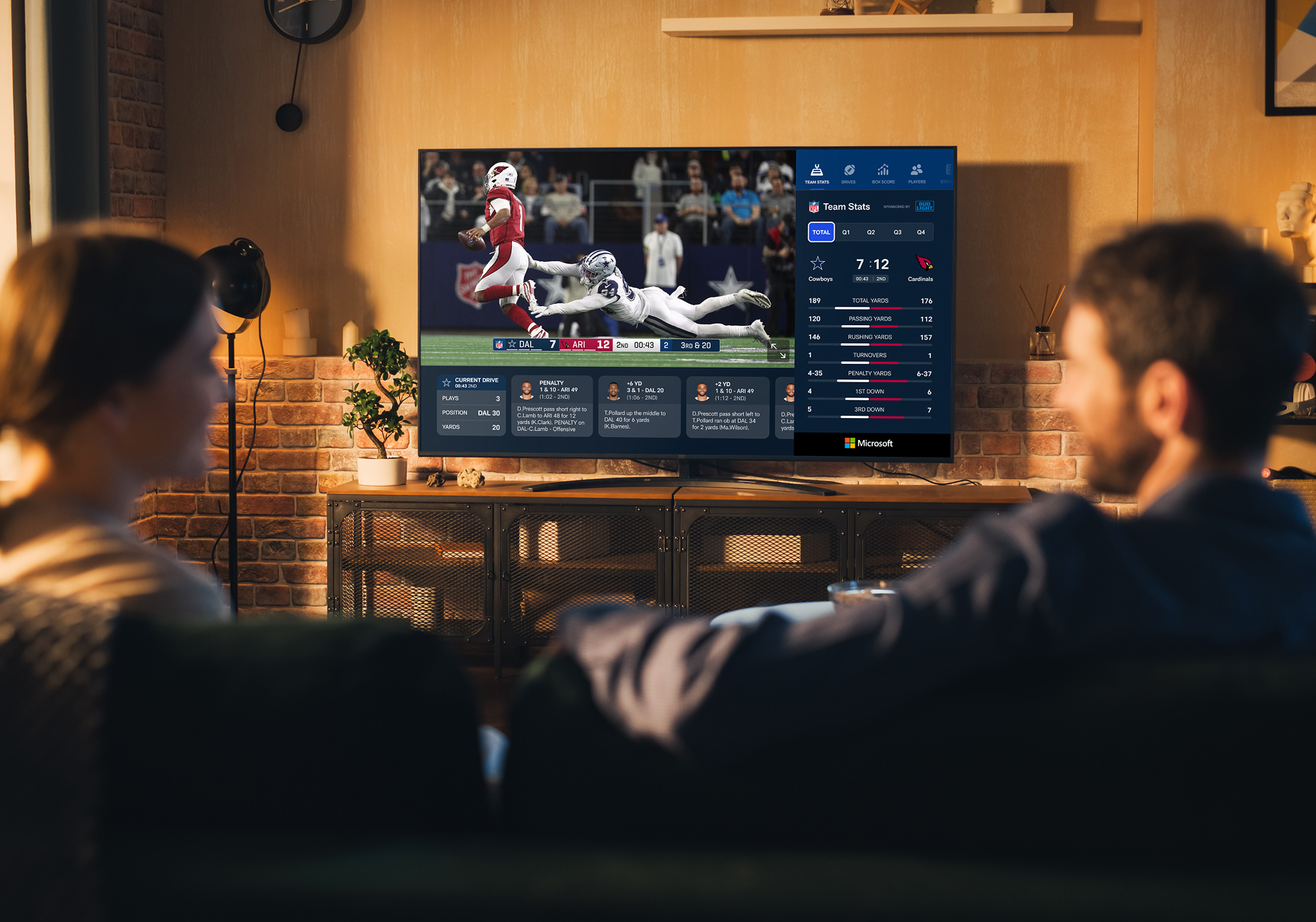
Play Anywhere is a technological ecosystem that aim to transform passive sports viewing into an interactive, real-time experience. It allows fans to bet, shop, and engage with data directly within the live broadcast.
Over the course of the project, I was responsible for user research and the first usability testing , building dynamic design systems, marketing and branding. The product has now been live for almost five years, running successfully across multiple platforms worldwide.
My Role:
Product Design Lead, User Research, Visual Direction
The Challenge
The War on Attention in a Noisy Environment
Play Anywhere delivers interactive experiences during live sports broadcasts — connecting real-time data to game moments with advertising opportunities, trivia, and fan engagement features.
In a live broadcast environment, the user’s most precious resource is time. The viewer is laser-focused on one critical mission: watching their team score. During these moments, the fan is at a Maximum Cognitive Load, experiencing:
Tunnel Vision: Intense focus on the action, causing them to ignore anything outside their immediate focal point.
External Load: A sensory bombardment of visuals and audio from the broadcast.
Time Pressure: The need to react instantly to live events.
The Goal:
To design a system that invites participation without being intrusive, placing "calls to action" at emotional touchpoints that respect the viewer's focus on the game.
Research & Insights
The first proof of concept was tested with Turner Sports. one of the largest sports broadcasting networks in the U.S. Viewers were invited to visit a website and predict live game outcomes during commercial breaks — with a chance to win a prize if they guessed correctly.
The response was overwhelming — servers crashed under the load of simultaneous requests. That success sparked the idea for Play Anywhere: a scalable, user-friendly platform that connects live moments, interactivity, and commercial engagement in real time.
Our research focused on three core questions:
• Who are our users? (market segmentation & audience understanding)
• What are they looking for? (value-driven solutions)
• How do we make them love using our platform? (emotional engagement & usability)
To answer these, we conducted extensive user interviews, surveys, competitor analysis, across different sports audiences.
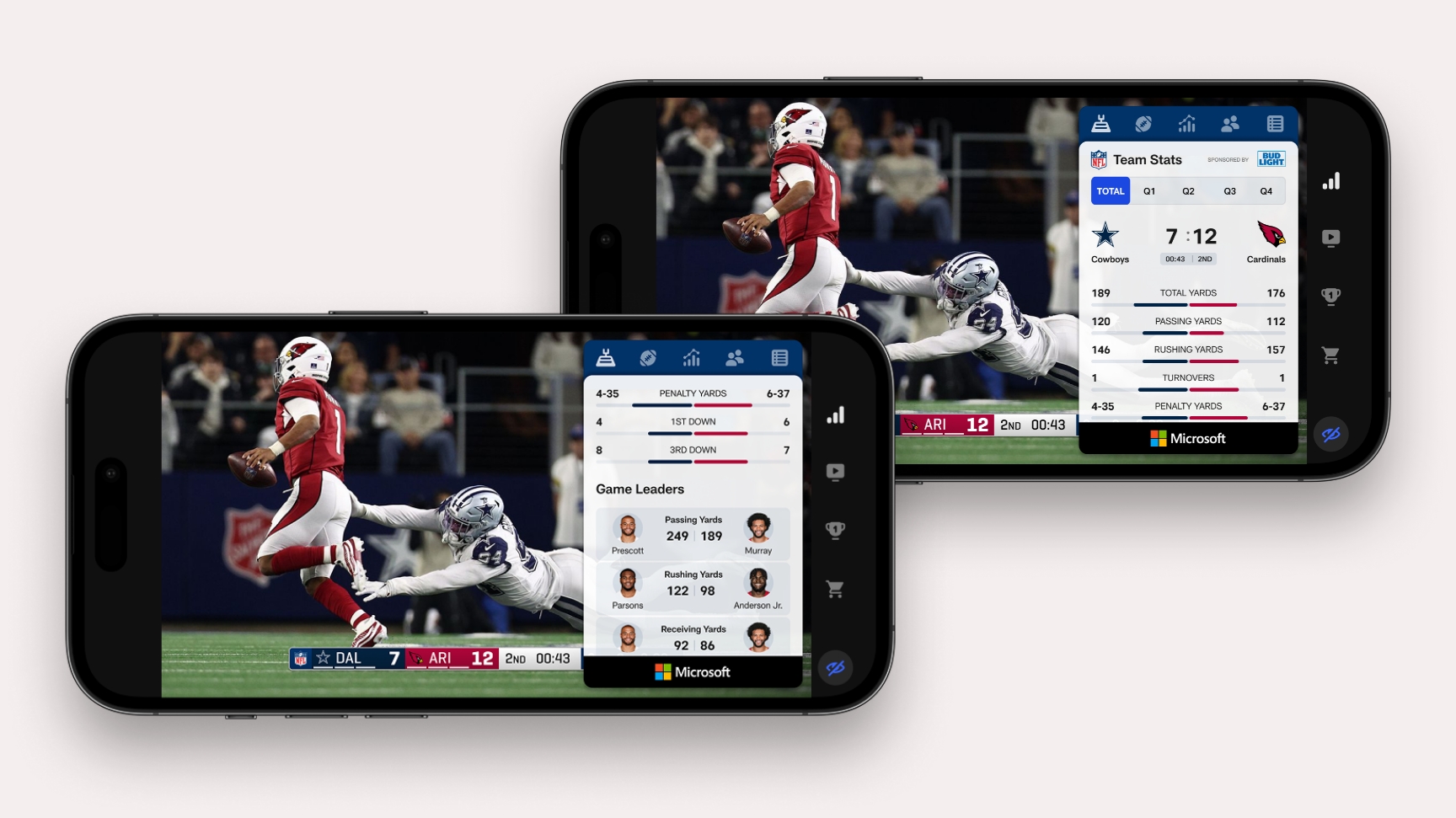
Prototype design for User testing: UI protorype for an Apple TV application, showcasing possible interface behavior against planned features.
Key Learnings & UX Decisions
1. Game Stats as Engagement Drivers
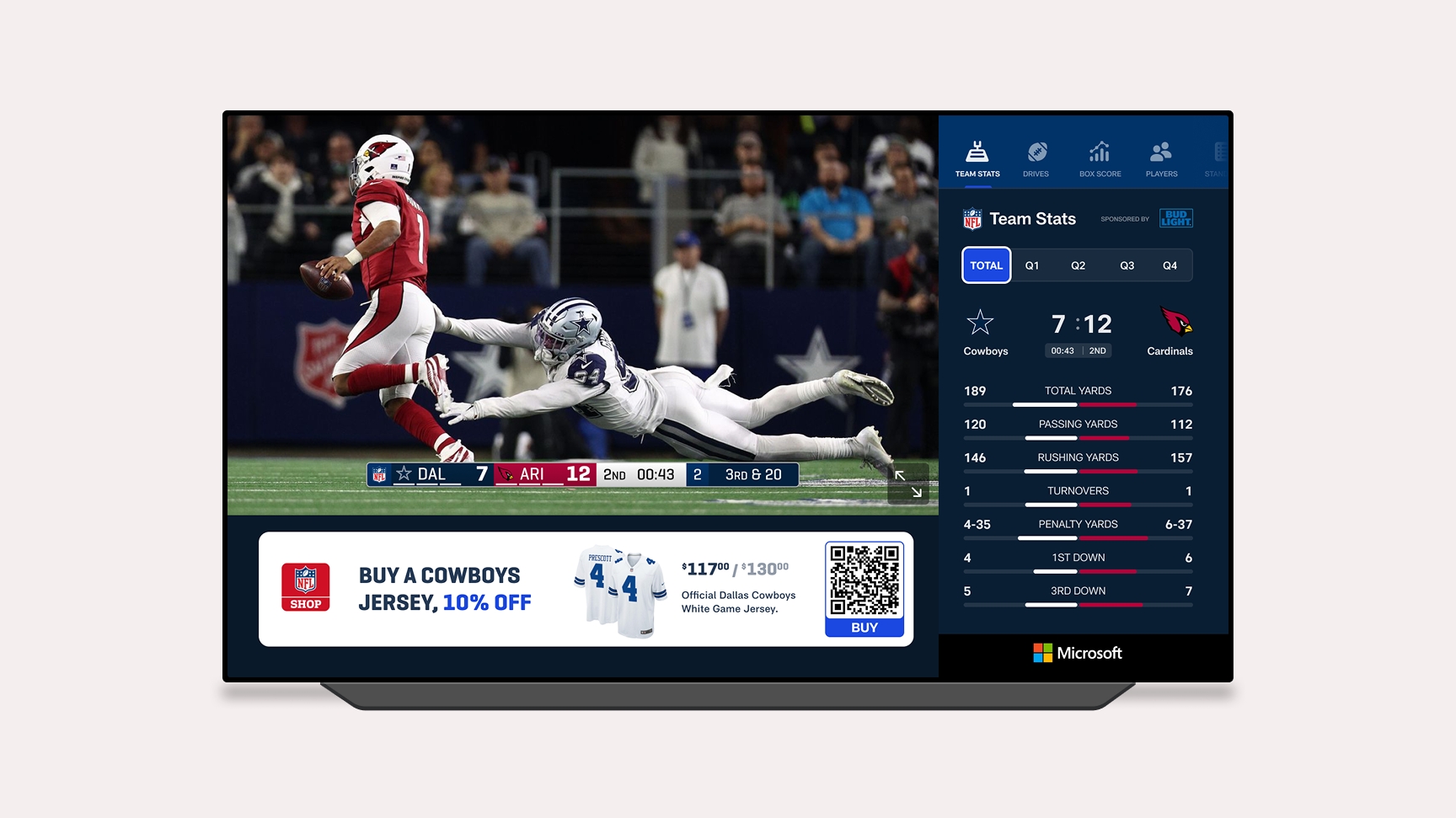
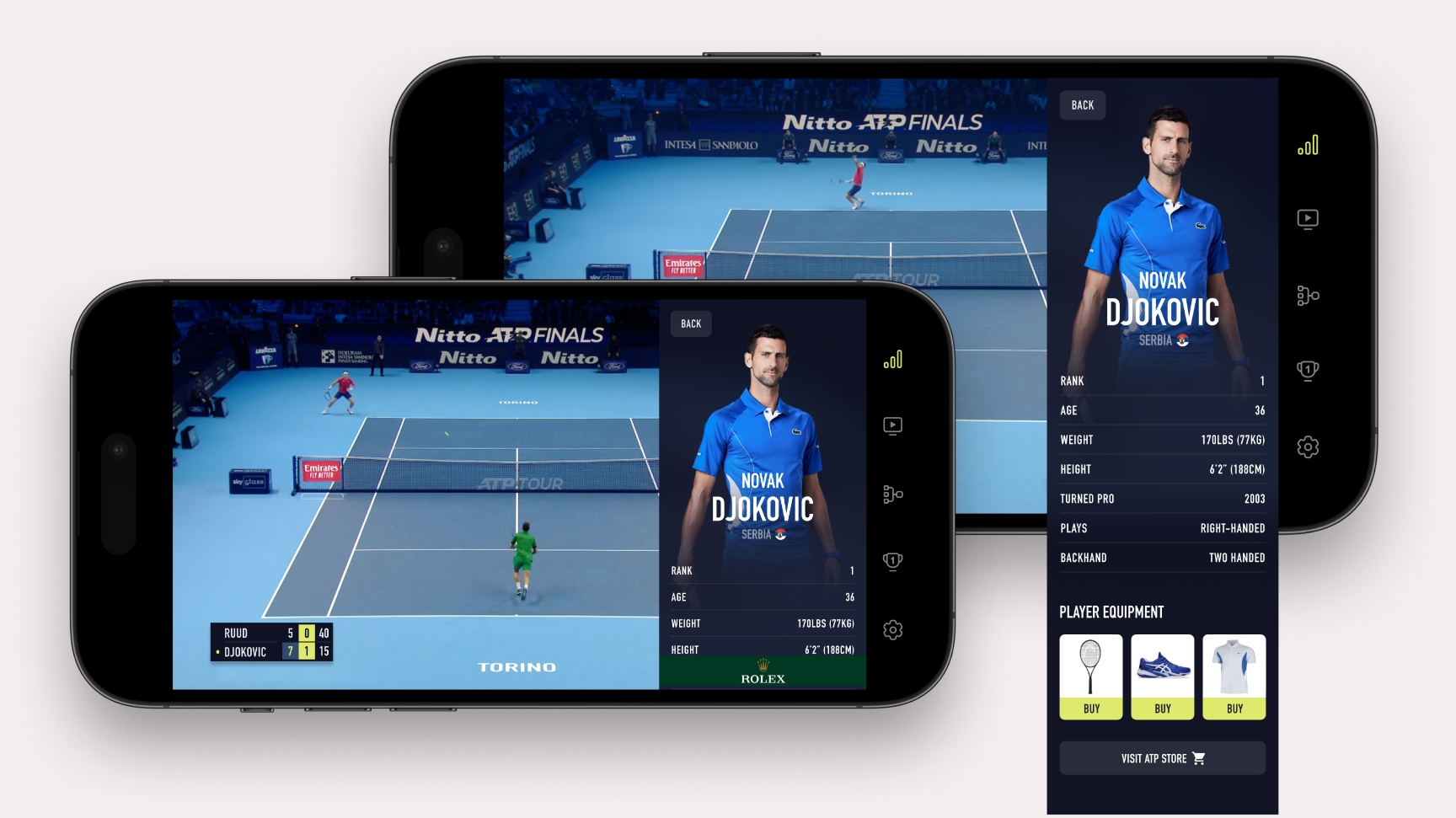
We discovered that users were most drawn to real-time game stats — more than any other feature. They kept returning to data screens showing team and player insights.
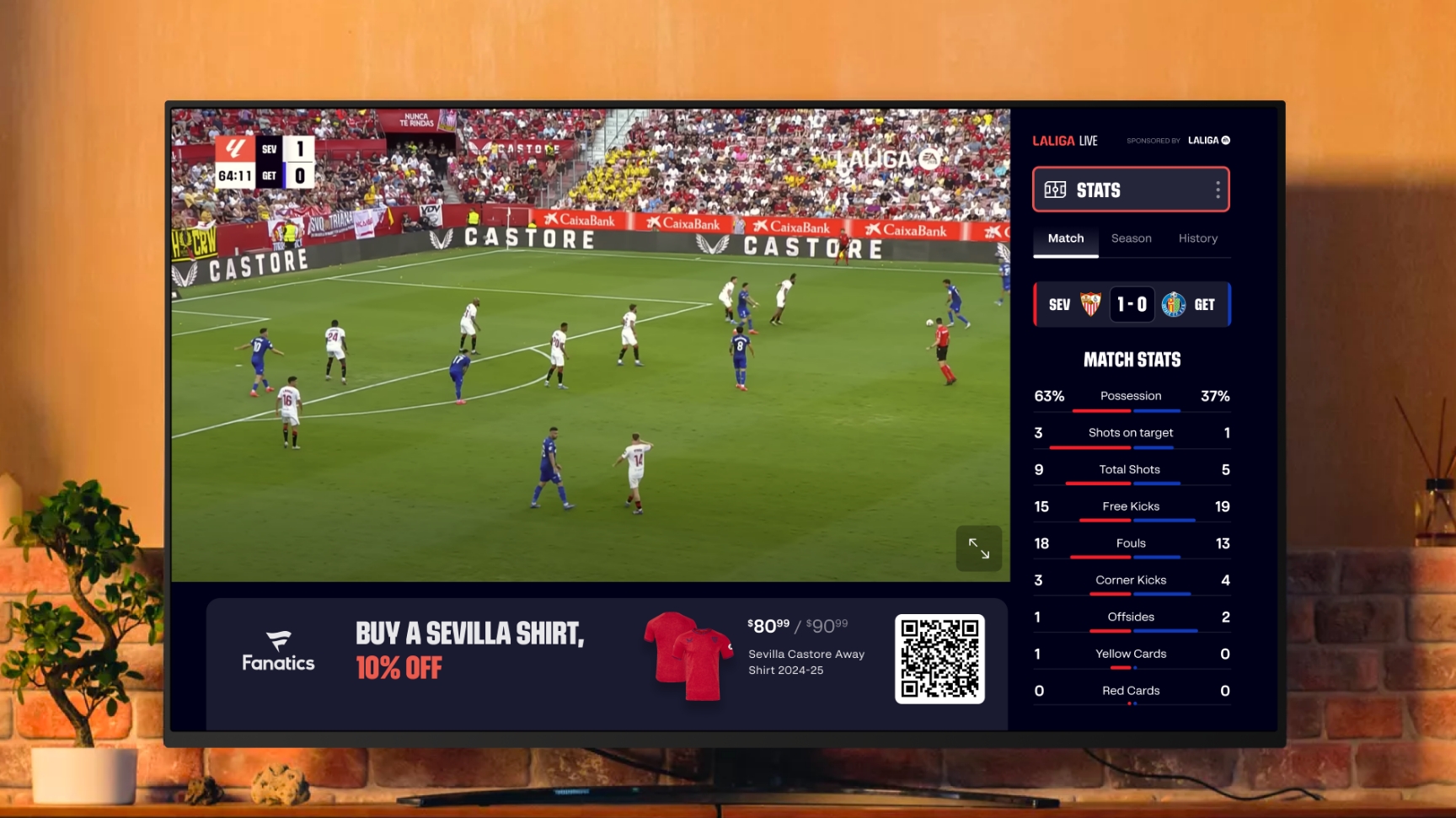
We leveraged this by linking interactive ad placements and merchandise offers directly within these screens — leading users to purchase fan gear tied to their favorite teams or players.
2. Timing User Actions with Emotion
Behavioral research showed users were most willing to engage right after positive emotional moments — like a goal, touchdown, or major play.
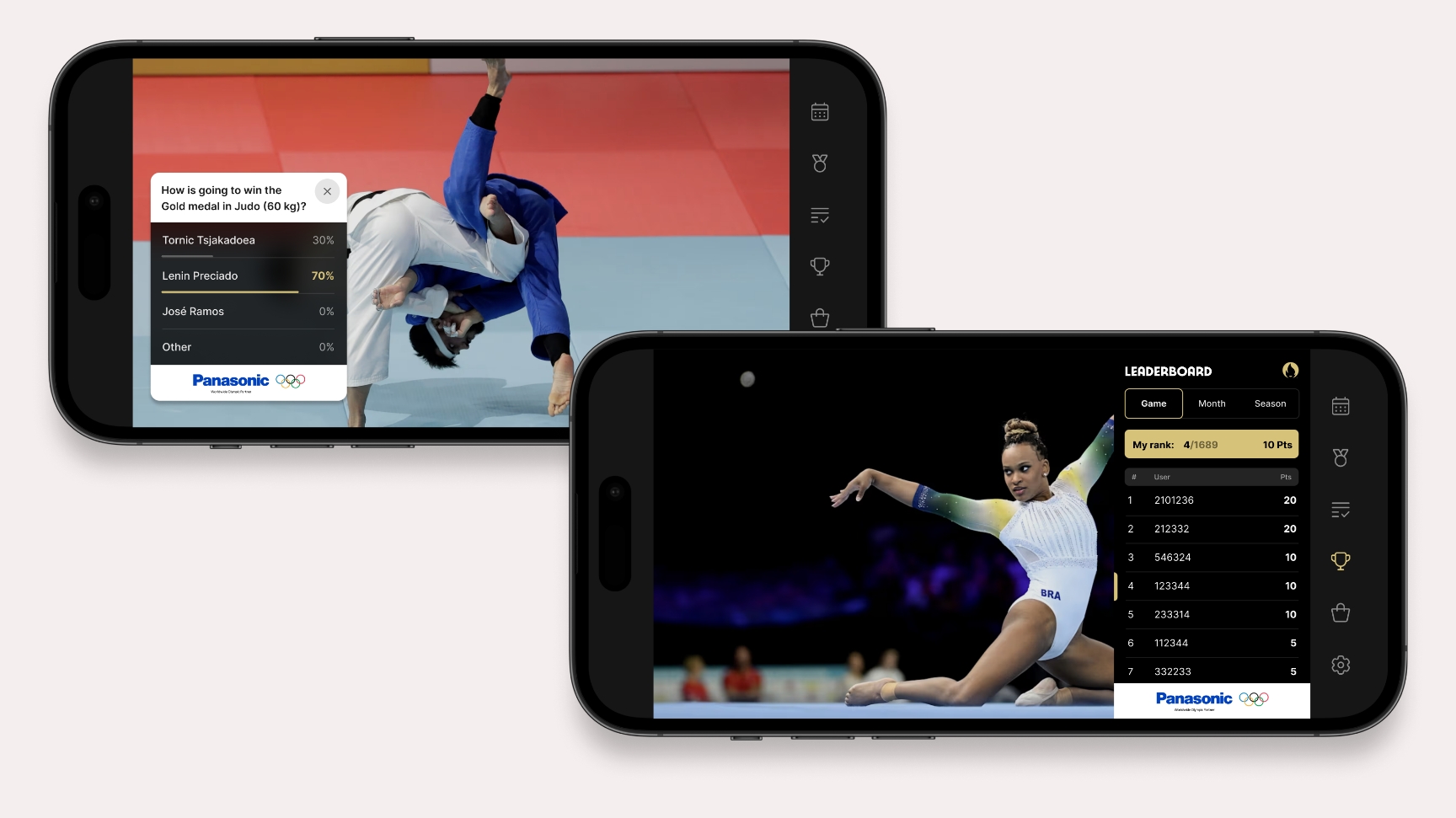
We used this to design post-highlight rating prompts, asking users to rate what they just saw. Ratings rewarded users with watch points, which they could later use for season-end giveaways, building both excitement and loyalty.
In a moving video environment, users often suffer from Change Blindness. To counter this, we utilized purposeful Motion Design to create a "Motion Signal." Human biology is hardwired to detect sudden movement in the periphery—a survival instinct we leveraged for UX.
3. Simplifying the Betting Experience
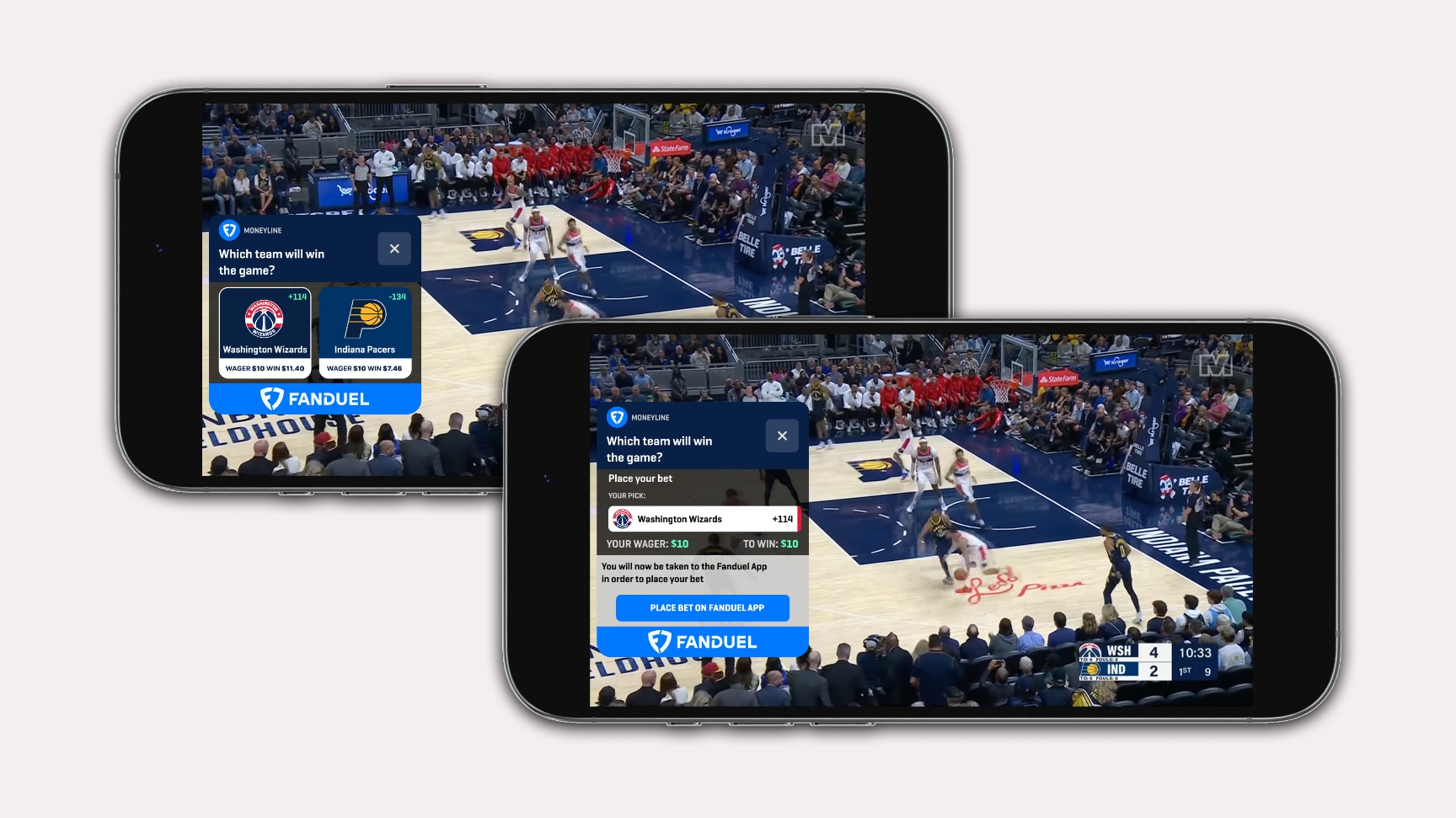
Our user studies found that the digital betting market was losing users due to long onboarding processes and confusing terminology.
We simplified both the language and interaction flow:
• Replaced jargon (e.g., "Moneyline") with natural language questions like: "Who do you think will win this game?"
• Simplified odds presentation from "+110 / -110" to a human-readable format: "Bet $10 to win $100."
We also introduced a risk-free trial mode, allowing users to "place" predictions without real money, followed by a message showing how much they would have earned if they had registered. This approach strived to increased curiosity, emotional investment, and eventual conversion.
4. Seamless Commerce Integration
During games, we designed a "Quick Buy" feature that linked merchandise directly to on-screen player moments.
When a player scored or made a highlight play, viewers could scan an on-screen QR code to instantly purchase that player's exclusive gear — creating a strong emotional connection between fan excitement and purchase behavior.
5. Adaptive Design Systems
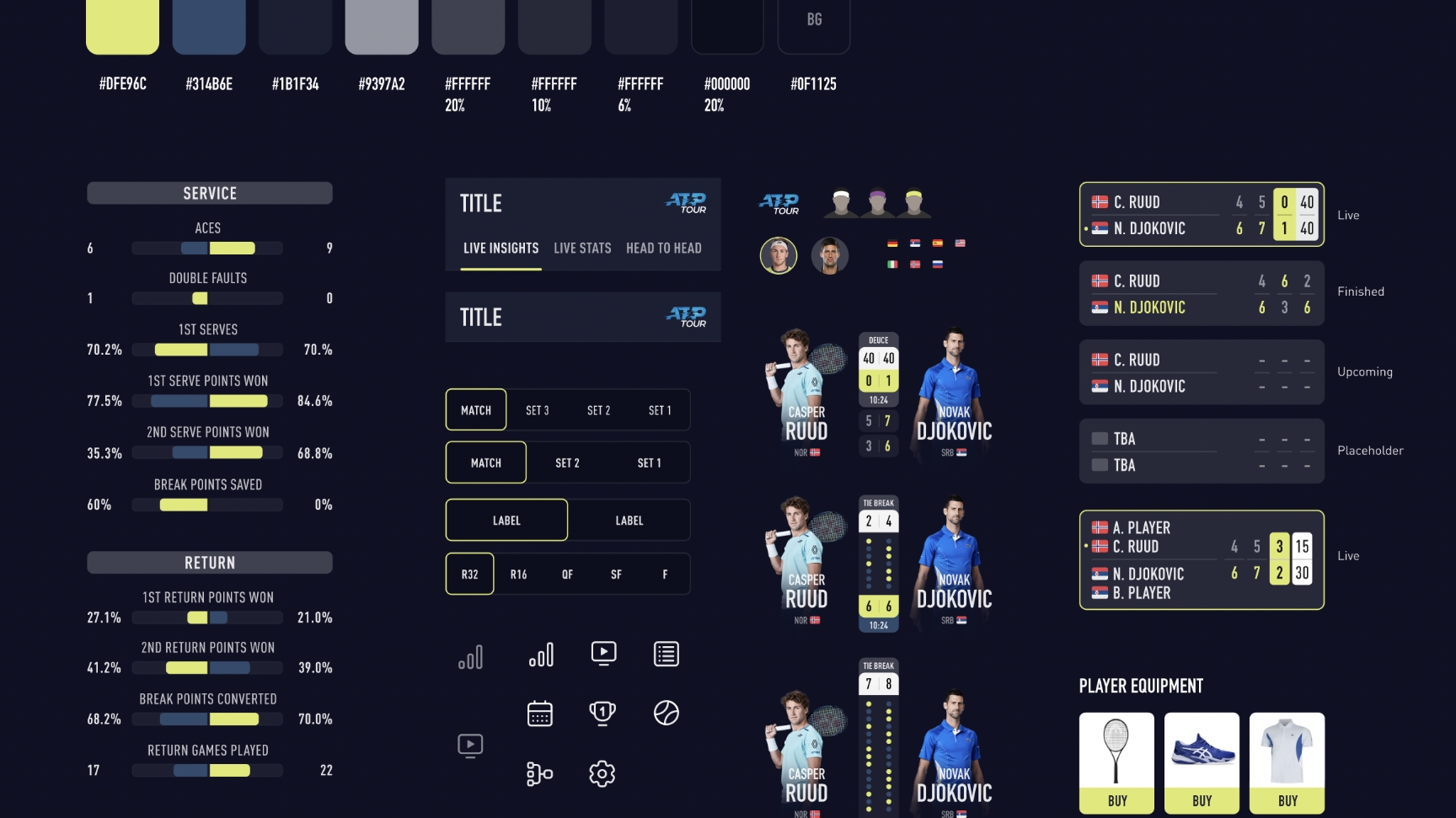
Each sports league — from the NBA to La Liga — had its own visual identity. To support multiple clients, we built modular design systems that allowed rapid re-theming for each league's brand, typography, and colors without reworking the core UX. This scalability made Play Anywhere visually flexible and consistent across sports ecosystems.
Design Highlights
Motion as Guidance
In live-broadcast interfaces (especially on TV and desktop), screens are constantly in motion, competing for user attention.
To solve this, we mapped user attention patterns throughout game moments and used strong, purposeful animations to draw focus to key messages without feeling intrusive. Motion became a visual language — subtle enough to blend with the broadcast, yet clear enough to guide action.
Progressive Disclosure
To reduce friction and errors in betting or interaction flows, we adopted a progressive disclosure approach.
Instead of overwhelming users with all options at once, we broke processes into smaller, digestible steps — each reinforcing the user's understanding and commitment.
This not only improved usability but also increased conversion rates by creating a sense of gradual investment and control.
Impact
The ability of the system to manage human attention was proven at the highest levels of global sports:
La-Liga Partnership: The system is currently integrated with the Spanish League, providing real-time data and engagement to millions of football fans worldwide.
Paris 2024 Olympics: Play Anywhere served as the official "Supplementary Experience" for Olympic broadcasts across Europe, allowing users to track stats and engage with multiple disciplines simultaneously.
Unprecedented Scale: During these events, the system successfully onboarded and served approximately 5 Million new users, maintaining high performance and zero-latency interaction under extreme traffic.
For me personally, this project was a deep learning journey in real-time UX, cross-platform systems, and designing for human attention in high-stimulus environments.
An explanatory video of the final product released to ATP users, summarizing the expected user experience ahead of the new tennis tournament season.