Analytical Dashboards System
Overview
Catch Media is a startup providing user analytics and targeting services for media apps and content providers.
When I joined, the company already had several active clients and investors — but the product lacked a clear design language and consistent user experience.
My role was to bridge the gap between client needs and product reality, identify pain points, and transform a technically complex system into a usable, intuitive platform.
My Role:
UX Researcher, Product Designer
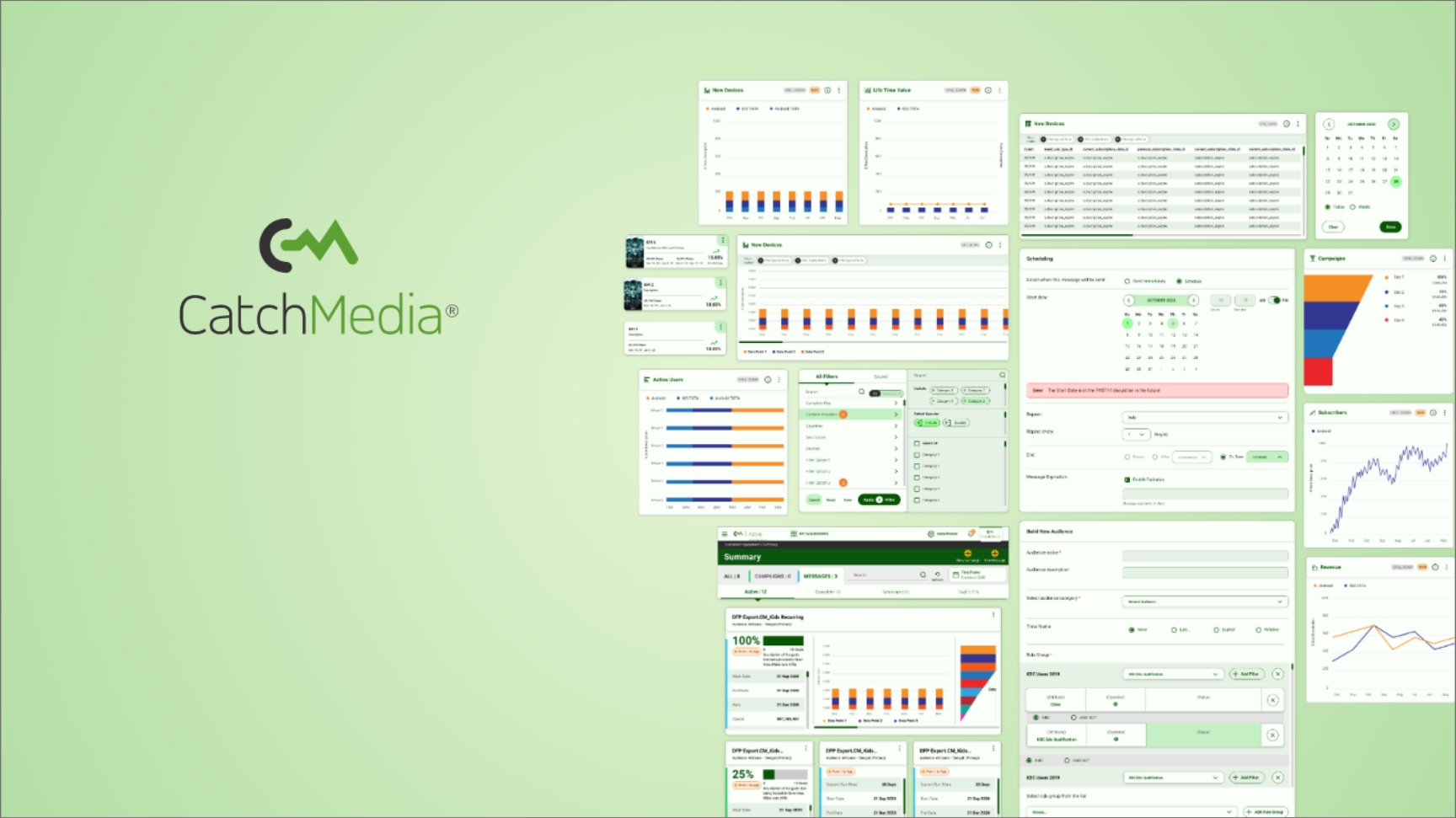
Research Process
We conducted two main types of research:
1. User interviews with clients to understand how they used the system and what frustrated them.
2. Competitive analysis of other analytics tools to identify common interaction models and visualization patterns.
Every time a usability issue surfaced, I followed a structured cycle of: problem discovery → ideation → validation → iteration → delivery. This approach ensured every design decision was grounded in real user needs and aligned with both business and development priorities.
Design Initiatives
1. Building a Design System
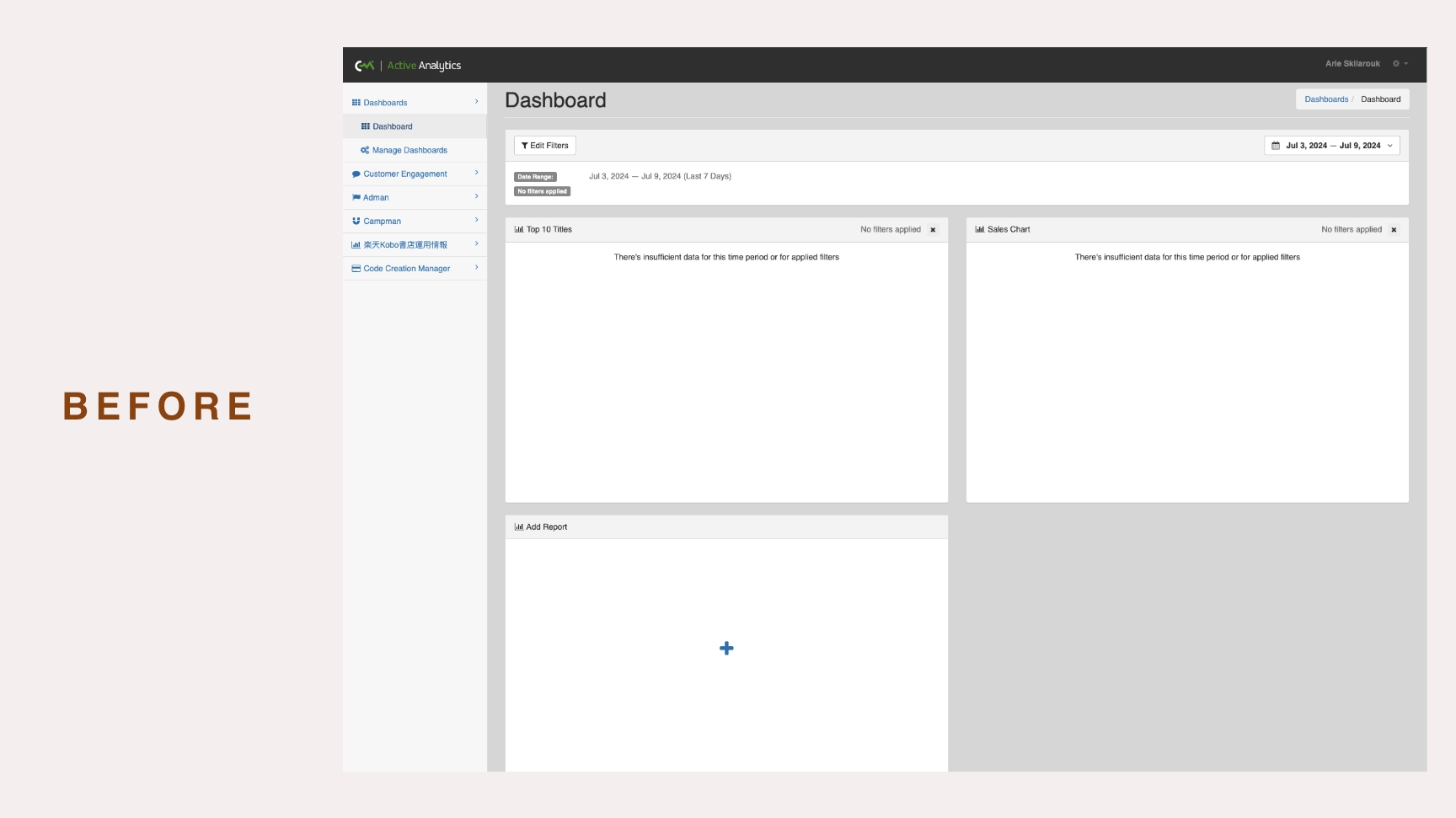
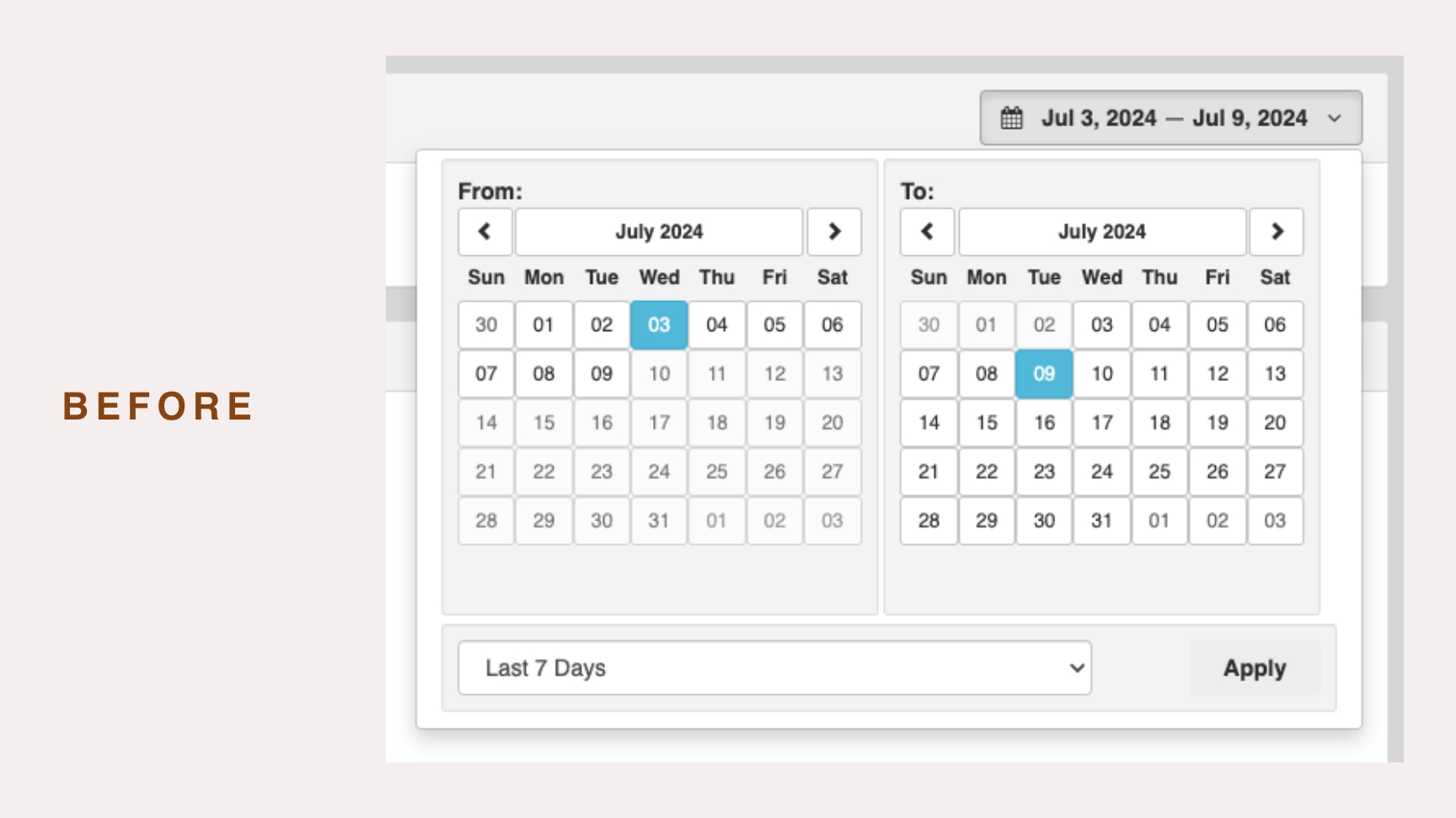
When I joined, the product was based on a static HTML/CSS template developed externally years earlier. Components were visually inconsistent and disconnected from user workflows.
We initiated the creation of a comprehensive design system — mapping all components, defining behavior patterns, and aligning them with real use cases.
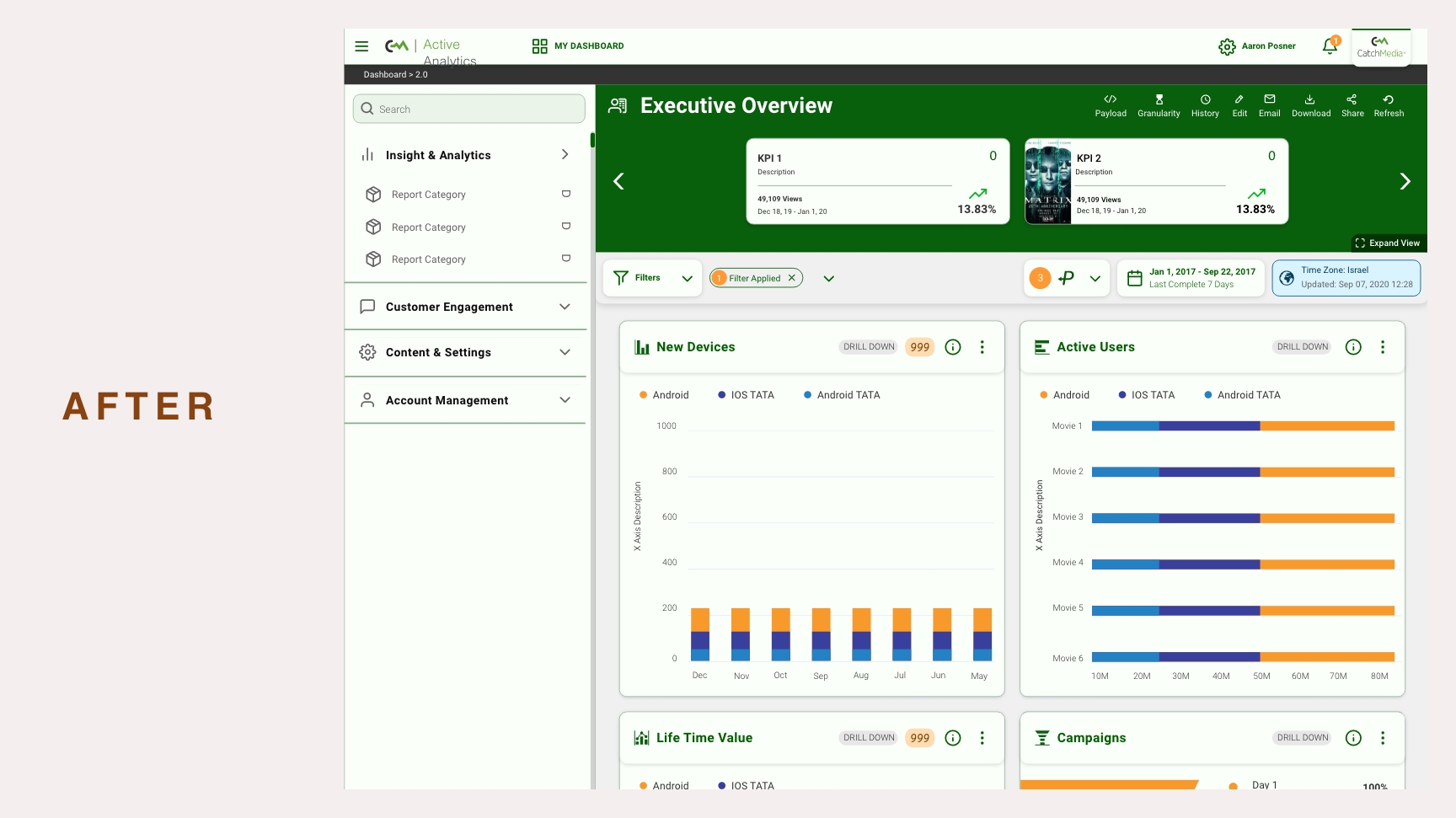
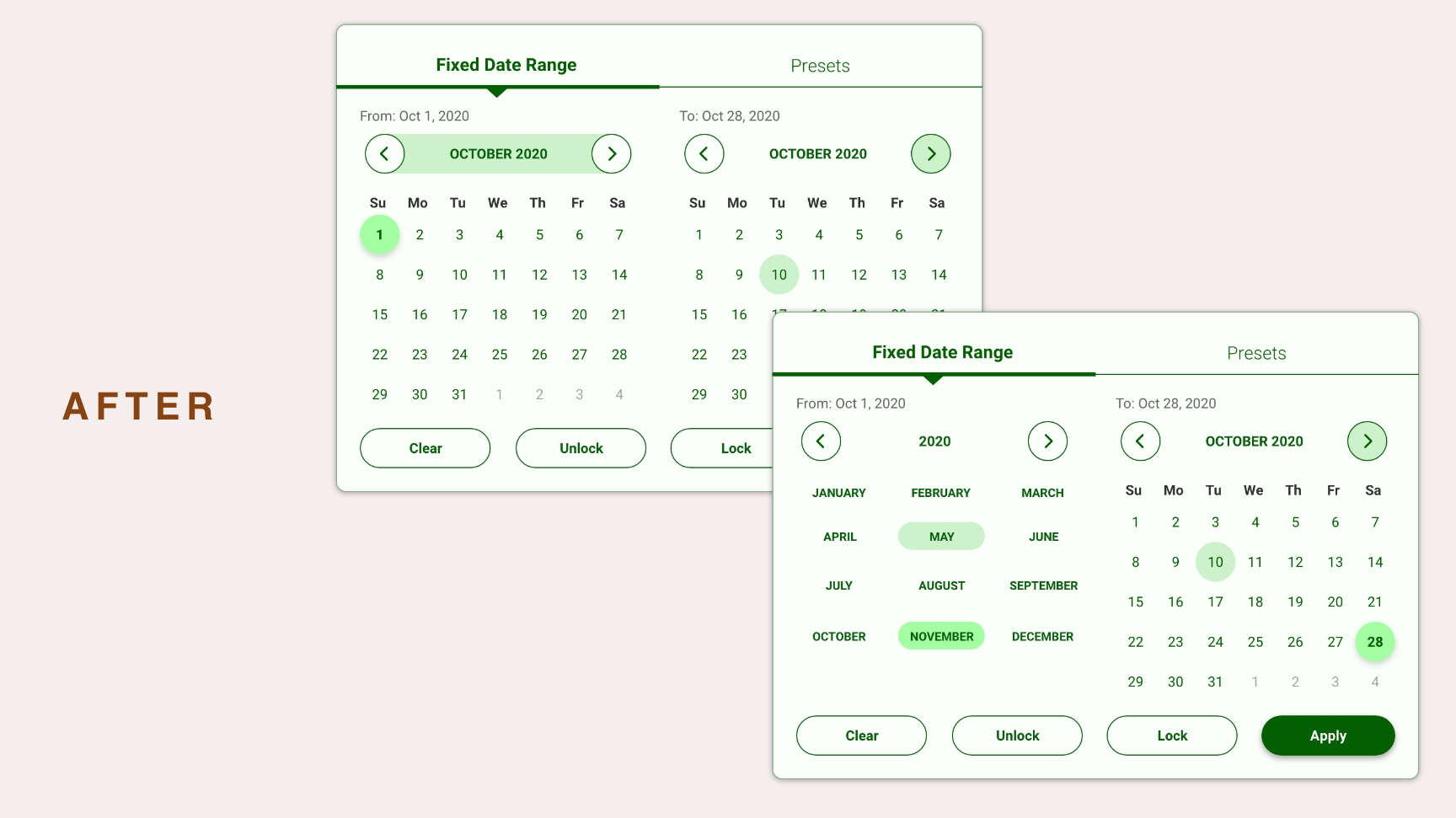
Working closely with the development team, We ensured full implementation into the live product, creating the foundation for scalable and consistent UI development.
2. Campaign Creation & KPI Definition
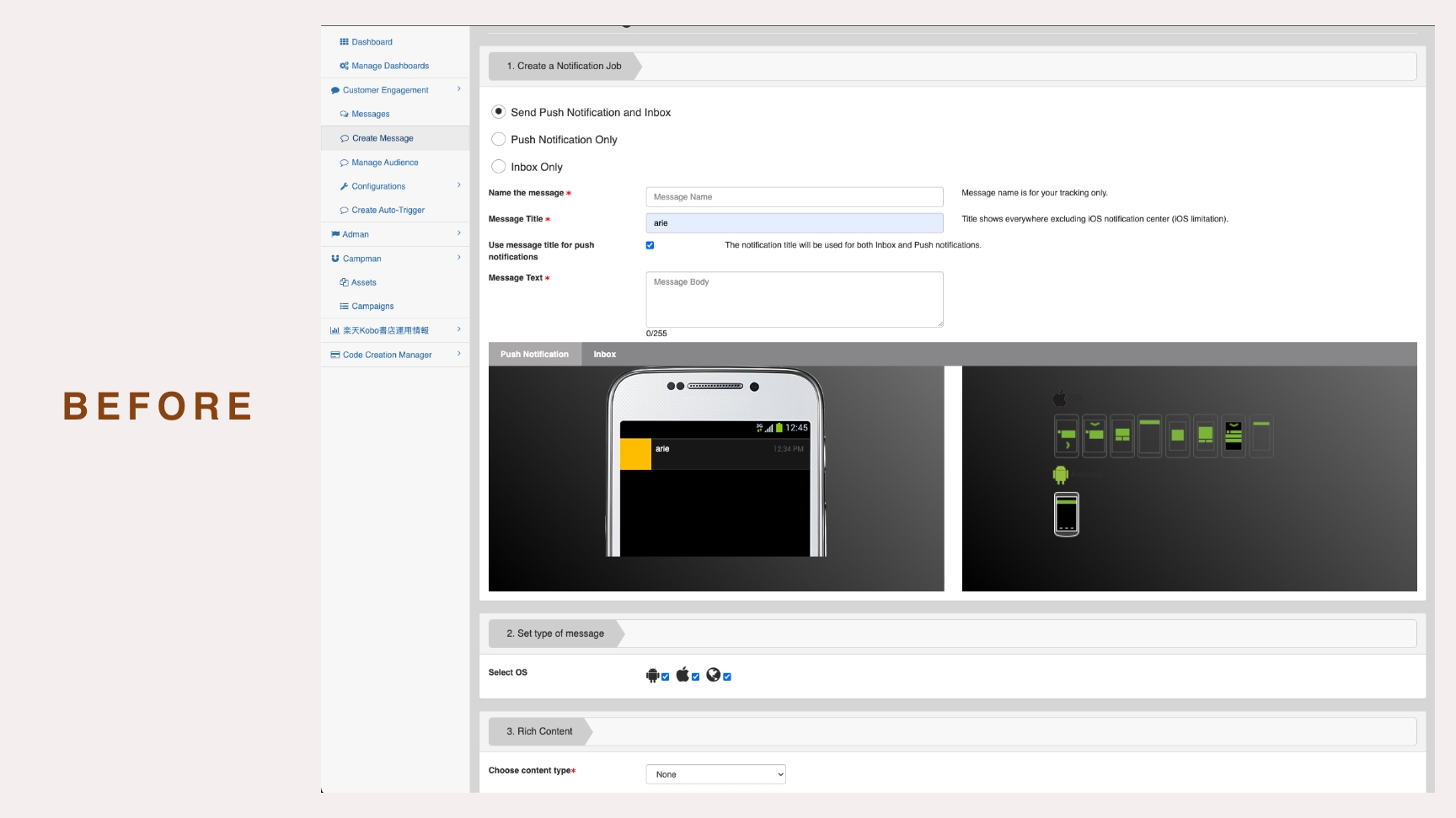
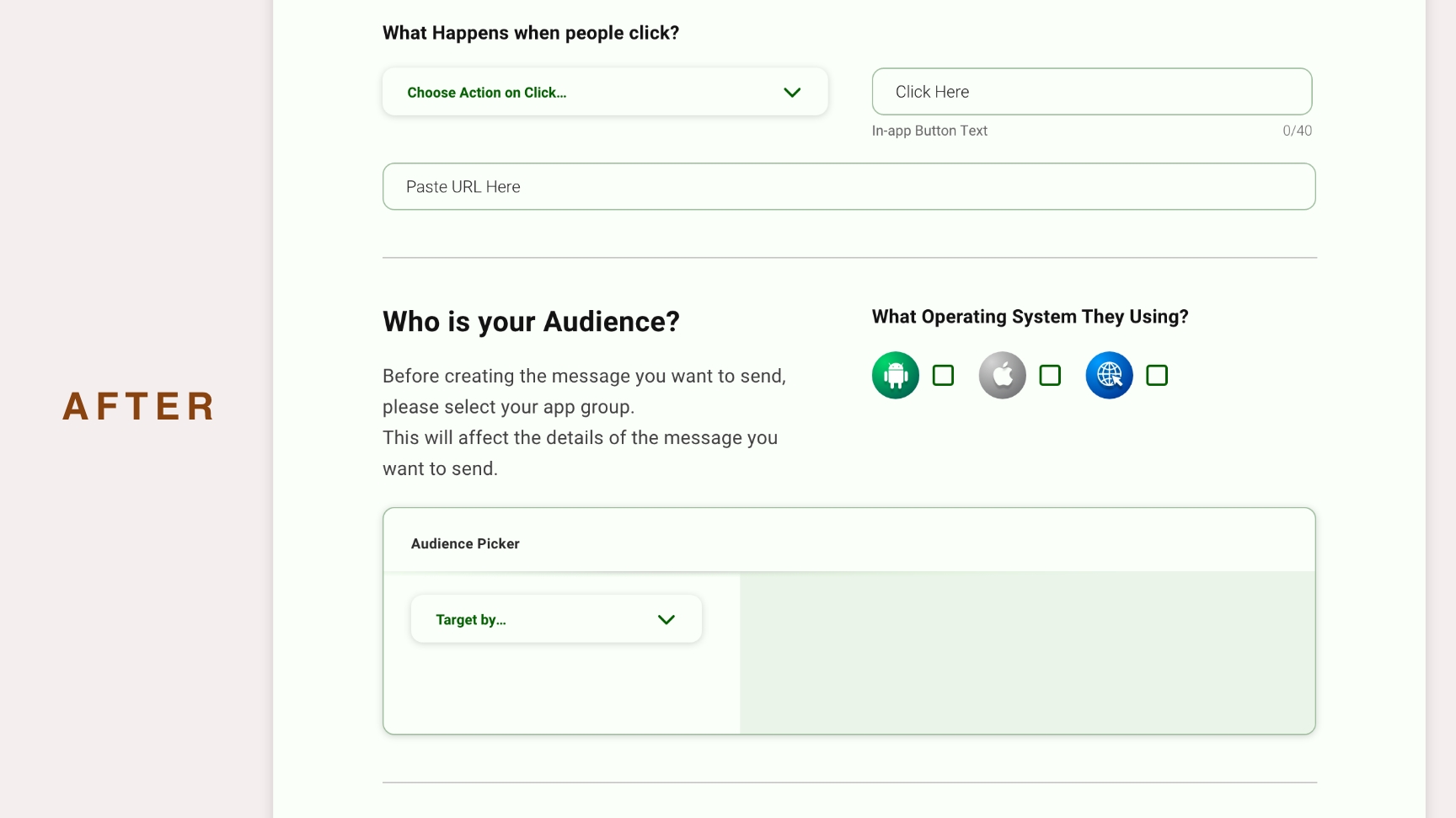
One of the most critical pain points was the campaign creation flow, used to user targeting and content suggestions across apps integrated with our SDK. Users reported confusion, unclear field meanings, and a sense that "the system doesn't work" due to layout issues and misleading interface logic.
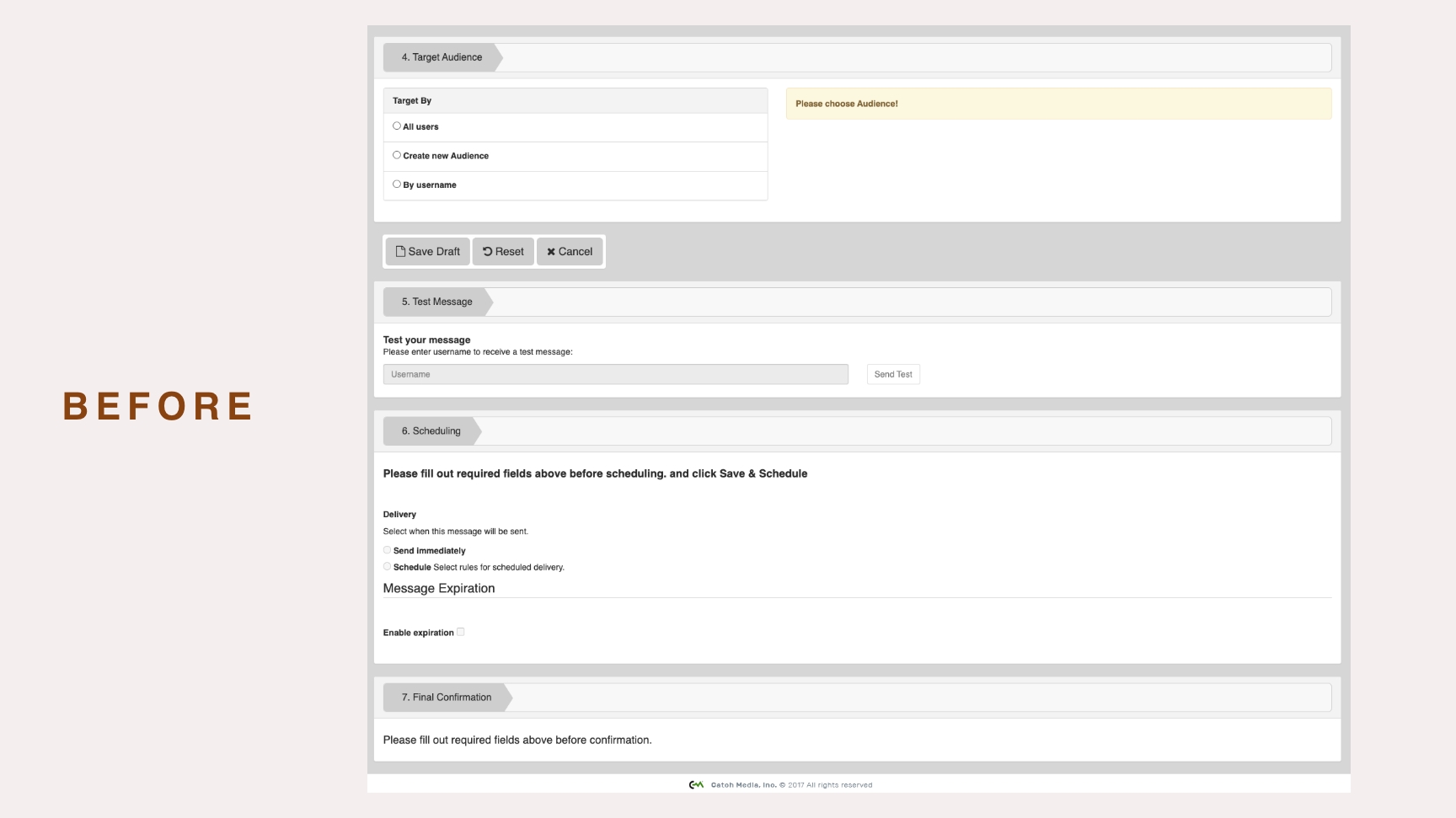
We redesigned the entire flow: based on the 20/80 rule, we clarified terminology and hierarchy between campaign elements. Structured the UI into logical steps with contextual help.
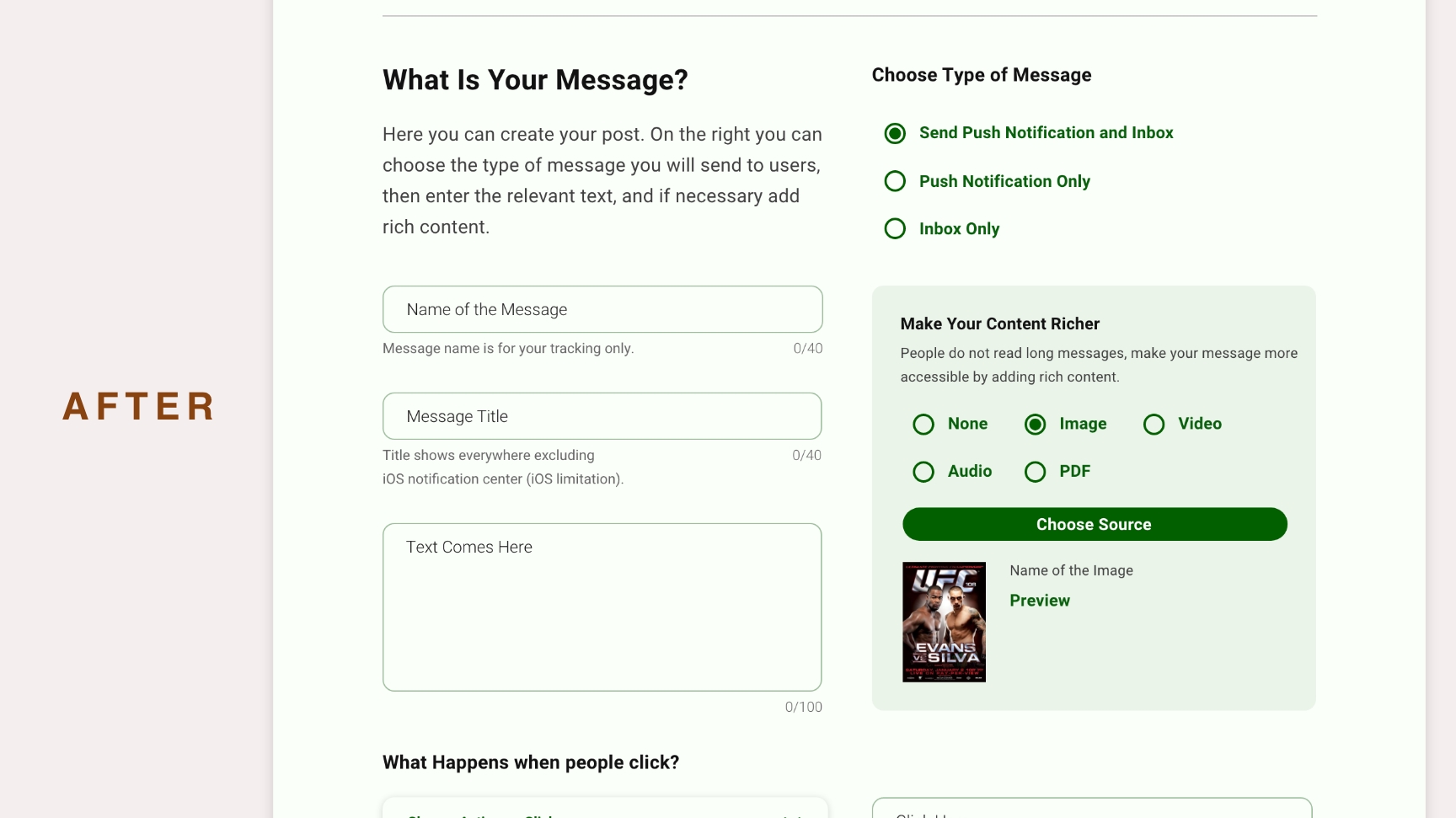
Added success metrics (KPIs) directly into the campaign creation process, allowing users to define and visualize performance goals (reach, engagement, conversions) in real time.
3. User Funnels
Another major initiative was the User Funnels feature — enabling campaign managers to define user segments based on
in-app behavior.
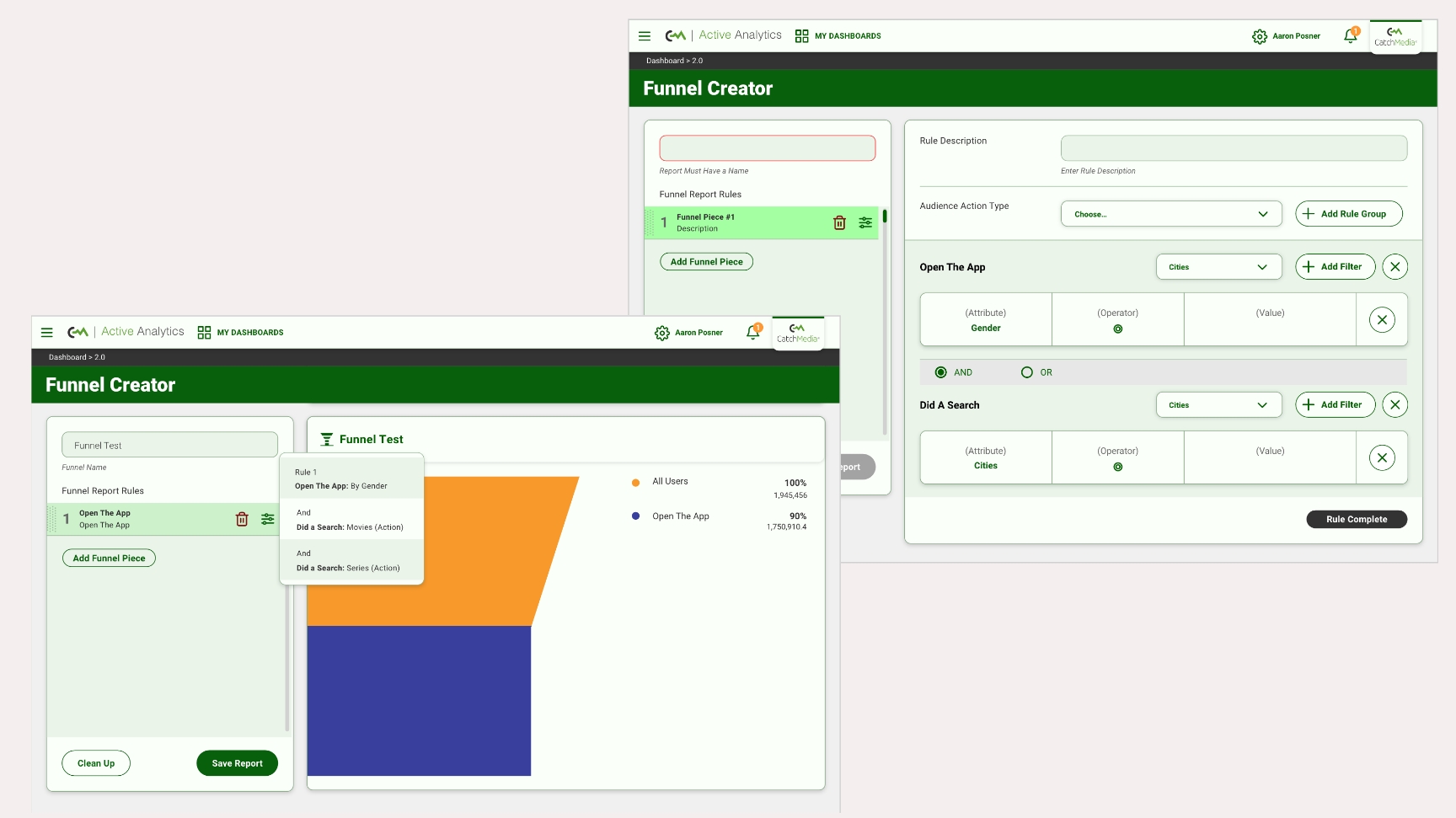
For example, targeting users who watched more than 20 minutes of content, or those engaged with a specific genre.
We designed a modular and flexible funnel builder that allowed visual construction of user journeys, translating complex behavioral logic into a clear, intuitive interface.
Continuous UX Research
In parallel to feature design, We maintained an ongoing process of continuous user testing and competitive benchmarking. By reverse-engineering strong solutions from other analytics platforms and adapting them to our users' needs.
This iterative improvement cycle became a core part of the product culture — ensuring data-driven design decisions and constant alignment between product, engineering, and users.